
Real game intelligence.
Built into your score.
GameDNA turns game descriptions, player feedback and market results into structured evidence. Gameloom compares it with your game design document, then applies its own assessment rules to help you see what to improve.
Get my Gameloom ScoreIntelligence updated daily. Put to work in your game.See the design inside the game.
Mechanics, progression, business model: each part tells you something different. Choose a game, then explore one part of its DNA.
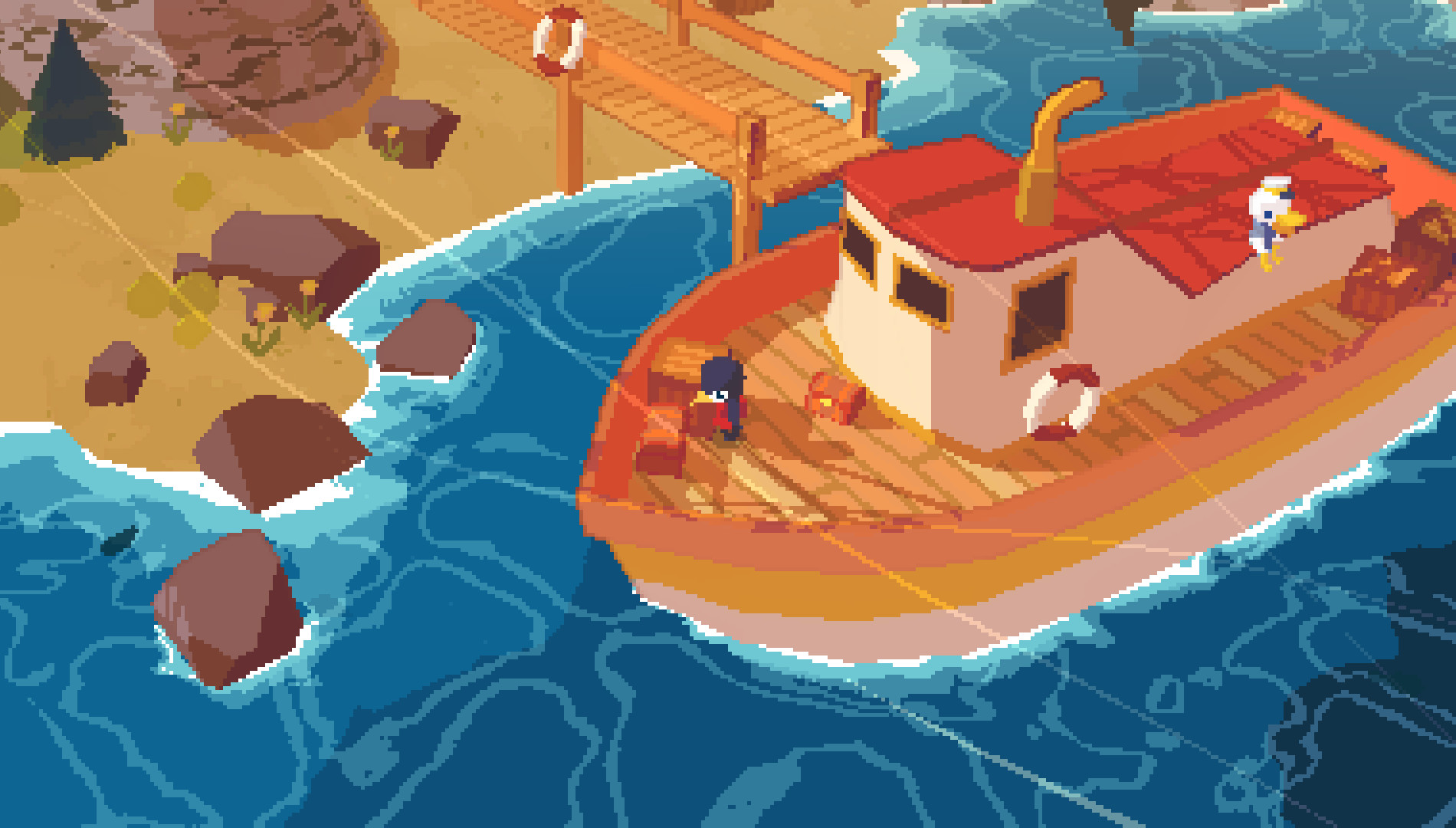
A Short Hike
adamgryu
A destination. Your own way there.
Climb and glide toward the summit, with fishing, treasure and other hikers along the way.
- 01Explore
- 02Climb
- 03Glide
- 04Discover
Give free exploration a goal players can hold in mind.
Curated examples from public sources, reviewed 8 Sep 2026. Design readings are editorial; these are not live Gameloom analyses. Game artwork belongs to its respective owners.
See how the signals connectThe signals don’t
always agree.
Now put the design beside what players say and what happens in the market. GameDNA connects all three, so you can spot a strength to learn from or a risk to investigate in your own game.
Good reception. Limited reach.
Illustrative scenario · not a real gameWhat it promises
Descriptions, features and tagsA premium game with an established release history.
How it feels to play
Reviews and player feedbackPlayers respond strongly to the experience.
How it performs
Reception and market outcomesIts measured audience remains comparatively small.
Design appeal and market reach are different questions.
Investigate audience, positioning and discovery before assuming the core design needs replacing.
Patterns depend on available, reliable evidence. A relationship between signals helps frame a decision; it does not prove what caused an outcome.
The evidence has
to earn its weight.
Gameloom’s own scoring engine decides which evidence can contribute, how strongly it counts, and how it combines with your design across five pillars and 20 dimensions.
Your concept gets a DNA, too.
Your game design document is broken into genre, play modes, mechanics, business model and the experience you describe. Gameloom uses the same design structure for existing games, so it can find meaningful similarities.
- Find the right comparisons.
Match the design, check the platform, and examine what happened to the relevant games.
- Check what the evidence supports.
Match quality and available outcomes control how much market evidence counts. Weak comparisons can be excluded.
- Apply a defined assessment.
Your GDD supplies evidence about your own game. Scoring rules set the weights, account for missing information and calculate the result.
What if the comparisons are too thin?
Same concept. Different evidence coverage.
With enough relevant, usable evidence, the engine can include market inputs at a weight their quality supports.
AI helps interpret.
The engine calculates.
AI evaluates specified parts of your written design against a rubric and helps explain the findings. Gameloom’s engine validates those inputs and calculates the dimension, pillar and overall scores using defined rules. Twill helps you act on the result.
See how the score is builtWhat’s happening underneath? For the curious
A shared design language. Gameloom normalizes game traits and turns the resulting description into a numerical representation, called an embedding. Your concept uses the same vocabulary and embedding model, allowing the system to measure design similarity.
Evidence with conditions. The engine checks comparison size, similarity and outcome coverage before admitting market inputs. It keeps the score, evidence completeness and confidence separate, so a missing answer stays visible.
Gameloom’s own system. Standard AI models are used within Gameloom’s data processing, matching and assessment framework. The scoring rules, weight limits, evidence checks and saved assessments are what connect that intelligence to your project.
Find the lesson.
Make it your own.
Bring your assessment into the design, economy and planning tools. Twill, your AI advisor, helps you work through the evidence and make a change. Run another assessment to see what it means for your score.
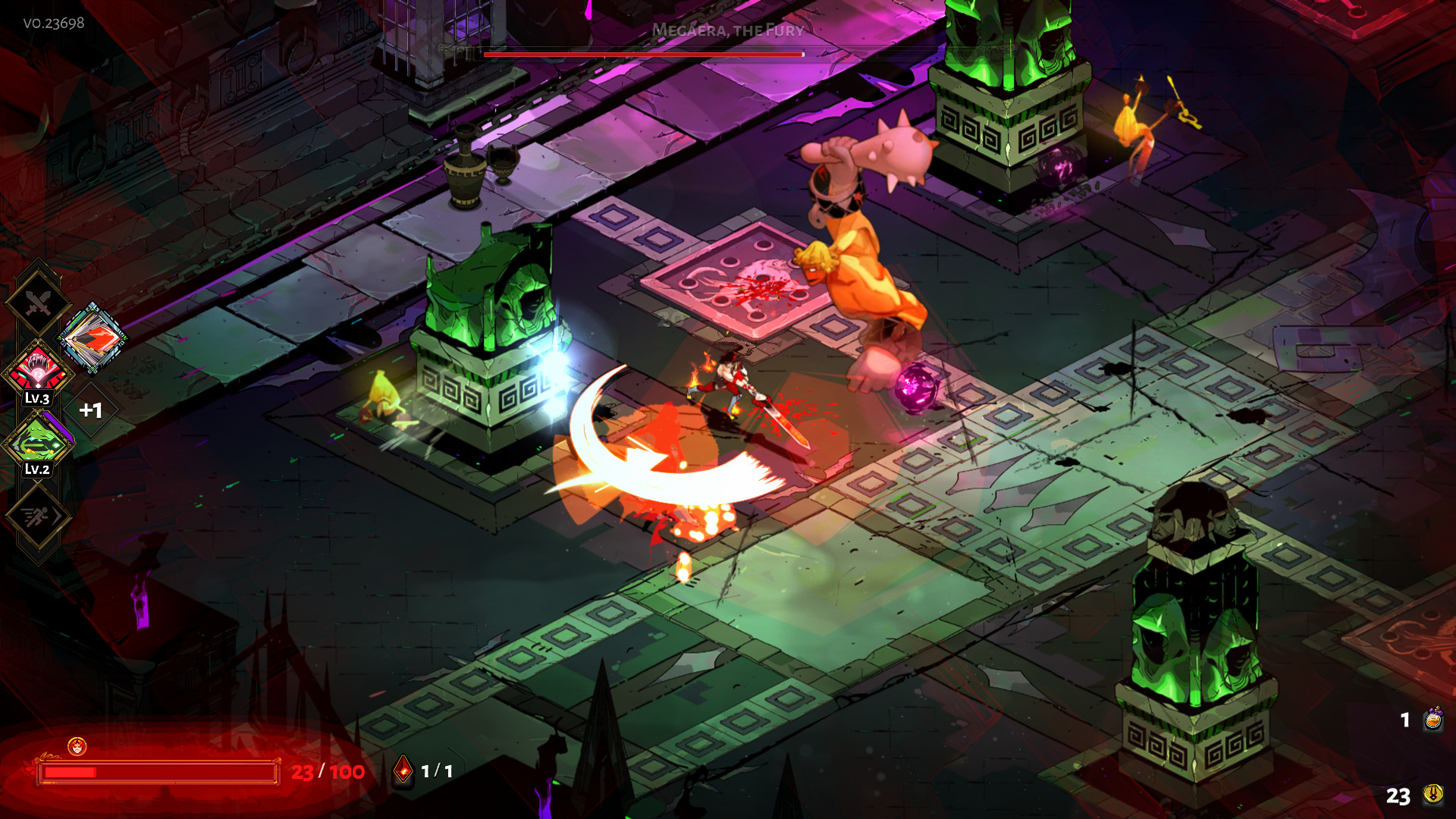
Hades
Hades carries upgrades and story between attempts.

Mosslight
Mosslight’s first return unlocks a basic tool and a nearby route.
The shared question is progression. Mosslight’s relaxed exploration needs its own pacing and rewards.
Mosslight is fictional. These editorial comparisons demonstrate the approach; they are not generated matches or commercial forecasts.

The games keep changing.
Your context should, too.
New releases, later reviews and changing market signals add to GameDNA each day. That growing evidence gives you fresh context when you assess your next design, update or expansion.
Work with Twill to understand a finding, explore the relevant comparisons and turn it into a decision for your game.
Coverage and freshness vary by game and source. A saved score stays tied to its assessment; run a new one as your design and evidence develop.Get your first
Gameloom Score.
Bring your GDD or describe your game. Get your score, then work with Twill and the suite to improve the design.